Our Digital Marketing Team
At Wiki Spaces legal marketing agency,
we're not just a Digital Marketing Agency for Attorneys;
we're a collective of visionaries, strategists, and innovators.
With over 30 years of experience in driving business success,
our team stands at the forefront of digital marketing excellence.
Here's a glimpse into the minds that make it happen.

Digital Marketing Analysts
Programmers
Digital Content Creators
Web Developers
Graphic Designers
Photographers
Programmers
Digital Content Creators
Web Developers
Graphic Designers
Photographers
Makeup Artists
Social Media Coordinators
Video Production Specialists
Social Media Coordinators
Video Production Specialists
These experts are the architects of success behind each digital marketing campaign.

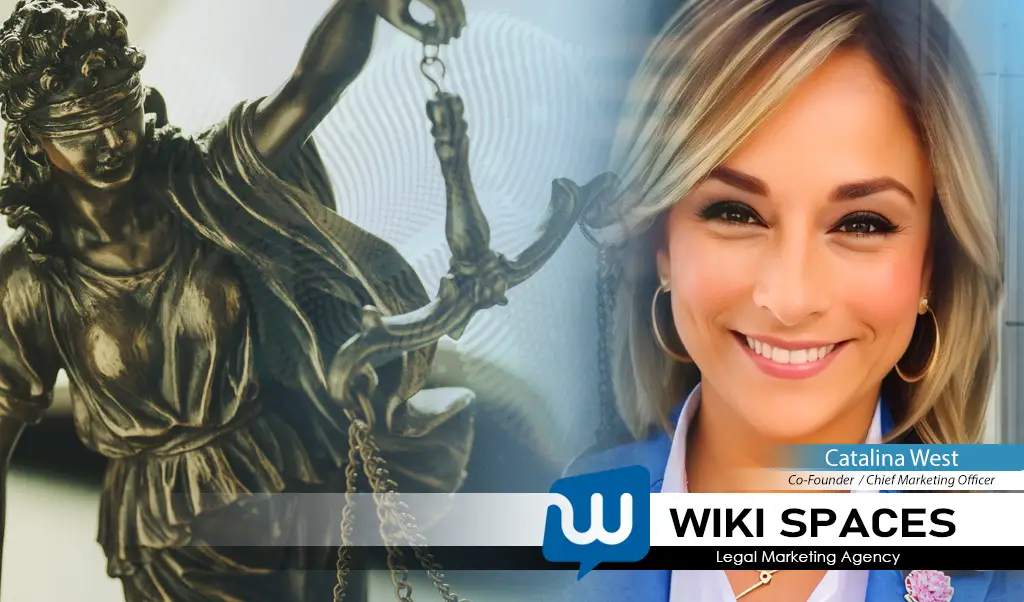
Catalina West
Co-FounderChief Marketing Officer
Catalina is the brain behind our strategic triumphs.
Her dedication ensures that every project aligns perfectly with client objectives.
Her ability to blend insightful planning with data-driven tactics ensures that our clients are always ahead in the game.
Her dedication ensures that every project aligns perfectly with client objectives.
Her ability to blend insightful planning with data-driven tactics ensures that our clients are always ahead in the game.

Victor C Fuentes
CEO - Co-FounderHead of SEO
A pioneer in digital marketing, Victor's vision has been the guiding star of Wiki Spaces.
With a career spanning almost three decades, he's an encyclopedia of marketing wisdom, leading with a blend of innovation and tried-and-true strategies.

Account Managers
Senior Account Managers
Their commitment to client success is unwavering.
Comprised of seasoned professionals with a deep understanding of digital marketing, they bridge the gap between our team's efforts and our client's goals, ensuring seamless communication and project alignment.
Each member of our team brings a unique set of skills,
but it's our collective passion for digital marketing that truly sets us apart.
At Wiki Spaces, we're more than a team;
we're a family dedicated to seeing your law firm thrive in the digital world.
but it's our collective passion for digital marketing that truly sets us apart.
At Wiki Spaces, we're more than a team;
we're a family dedicated to seeing your law firm thrive in the digital world.